Every microstock contributor has thought about it at least once: What if I just sold my work directly? No agencies taking 70% commissions. No rejection queues. Just clean, full‑margin sales straight into your pocket.
The fantasy usually doesn’t last long. You set up a portfolio site, maybe even throw in a shopping cart. Weeks pass. Nothing. The big problem isn’t distribution tech - it’s marketing. Agencies are essentially giant marketing machines. Without them, you’re shouting into the void.
But here’s the twist: while direct selling is almost impossible for photographers and videographers, some vector artists have found a way to make it work. They’ve solved the marketing challenge by giving away something useful for free - and getting paid on the extensions.
In this article I make the case for why vector artists, and almost no one else in microstock, can pull off direct sales.
Why direct sales rarely work in microstock
The blunt truth: building a website to sell your artworks is the easy part (in retrospect). You can read an account by Luisa Fumi of what she did to get a feel. Getting somebody to visit, trust you, and then pull out their credit cards is the impossible part.
Agencies exist because buyers need one thing above all else - convenience. They don’t want to hunt across 50 indie portfolios. They want scale, quality control, and searchable archives. For a single contributor, competing with Shutterstock’s SEO and brand recognition is like opening a lemonade stand next to Coca‑Cola.
Other roadblocks:
- Customer support headaches. Agencies field refund requests and licensing questions. On your own, that’s all yours.
- SEO is a blood sport. Try ranking for “business vector illustration” and see who you’re up against.
- Obscurity trap. Even exceptional portfolios often remain undiscovered without the built‑in audience agencies provide.
For most of contributors, direct sales flop long before the first order ever arrives. There are, of course, those going for the middle ground - selling on platforms like Creative Market, Etsy and others, but they have their own unique set of challenges.
Why vector artists can be the exception
Vectors are “modular”. They can be bundled into neat packages - icons, character sets, dashboards - that feel like finished products rather than raw ingredients. Buyers value completeness over volume.
Vectors are source not only for “vector illustrations”, but also for UI wireframes for websites, mobile apps, prints, graphic design mock-ups… The list can go on and on.
They’re also very customizable. Add a feature like color‑swapping, animation, or multiple sizes and suddenly there’s a natural upgrade path. Contrast that with photography: one JPEG doesn’t easily lead into a premium tier.
Packs of vectors usually are kept in a single style (see case studies below), which might be great for marketing purposes to keep consistency and make brand recognizable.
And crucially, vectors don’t weigh 200MB like RAW files or gigabytes in case of video. They’re light, distributable, and perfectly suited for packaging into free “starter kits” that spread like wildfire online.
Case studies: how illustrators win with freemium
unDraw – by Katerina Limpitsouni
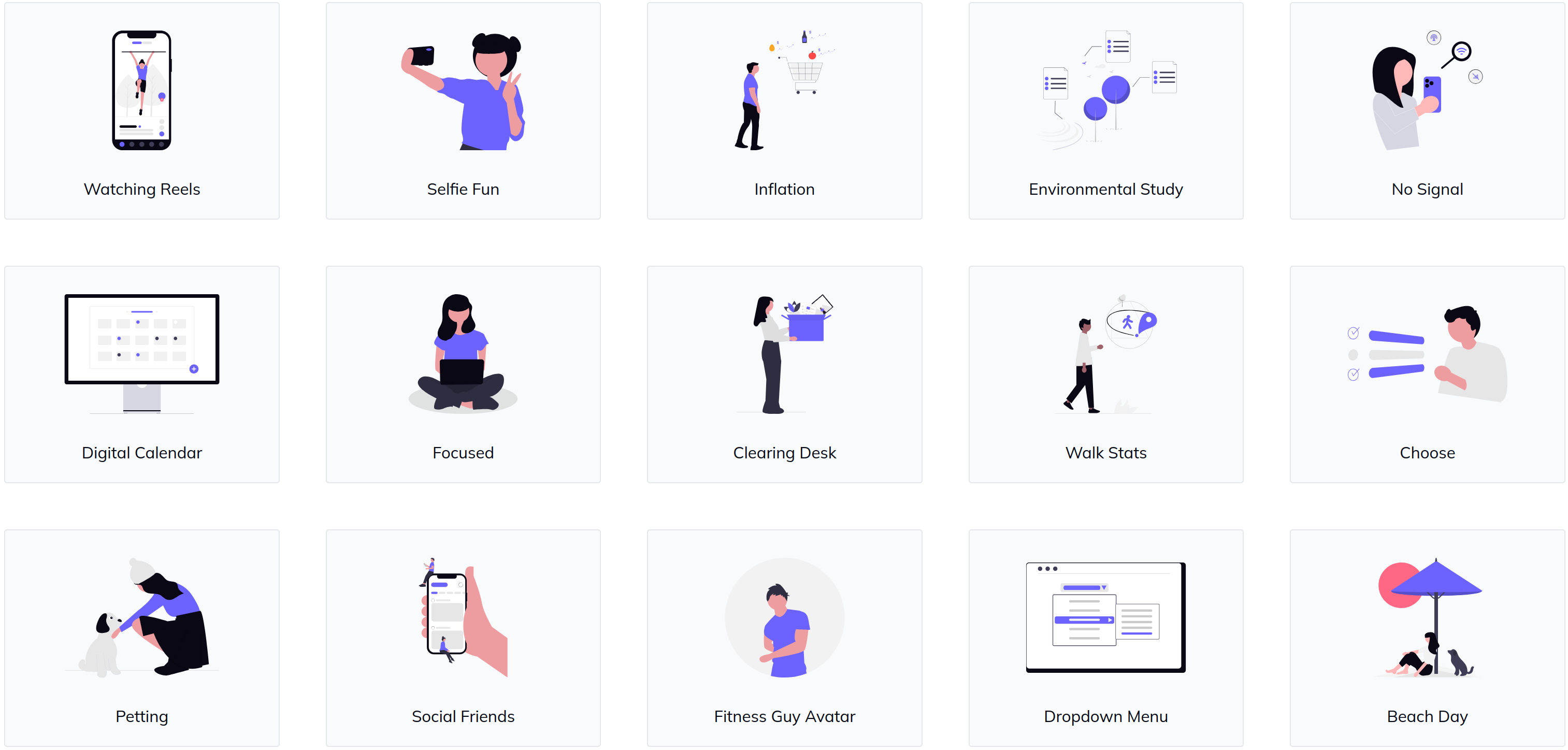
Arguably the most famous indie vector project. unDraw offers a massive library of open‑source SVGs, free for anyone to use. The reach? Astronomical. Once designers got hooked, Katerina introduced Undraw+ - a paid membership offering extra color palettes, animation support, and size customization. The free tier built ubiquity; the paid tier created recurring revenue.
DrawKit - by James Daly
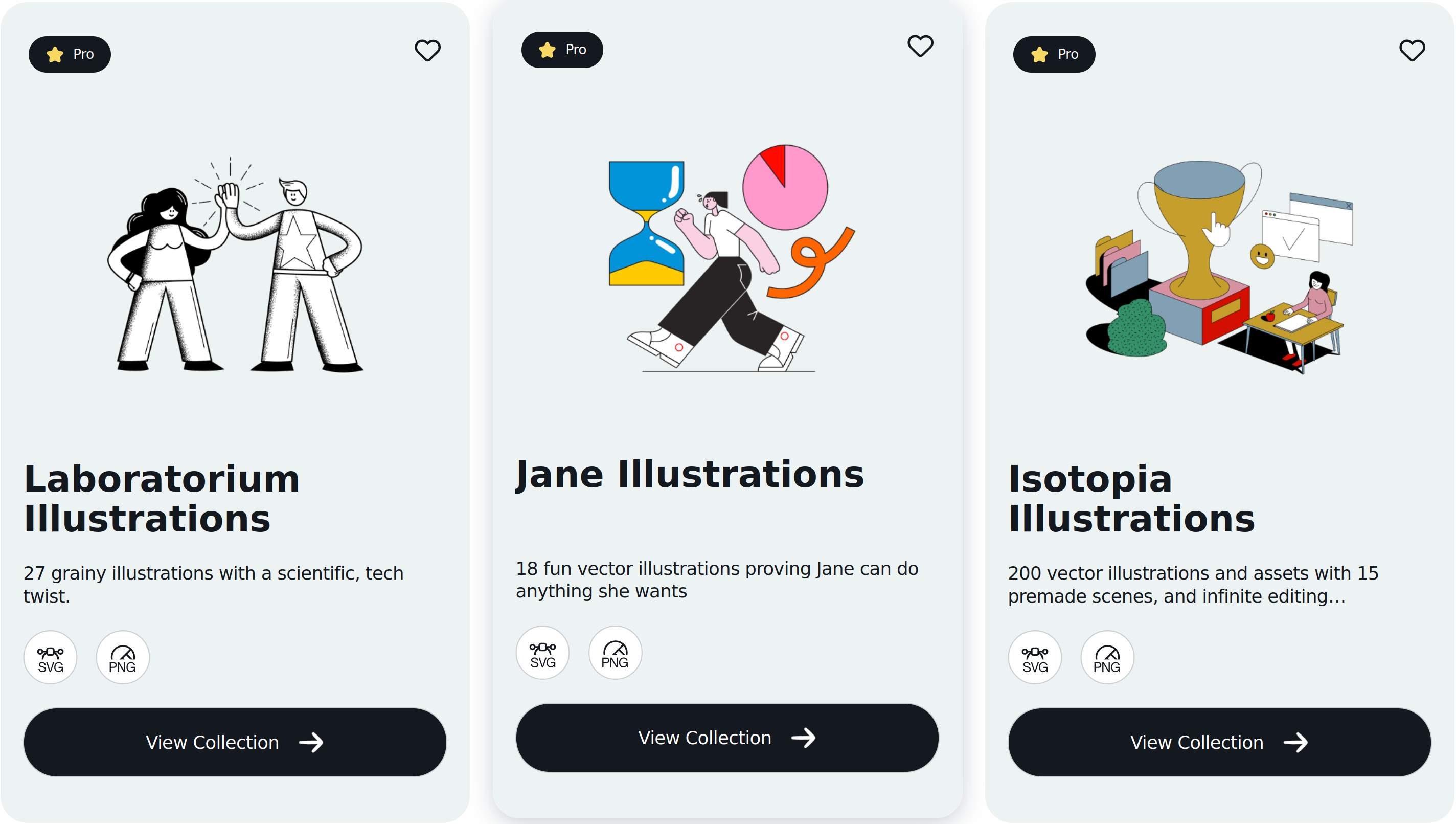
DrawKit offers packs of illustrations in a very recognizable, distinct modern style. They have many free very high-quality illustration packs, but even more ones that require payments - with the “Pro” badge. Some of them were even used in Xpiks blog before and also for this very blogpost you are reading.
Ira Design – by Creative Tim
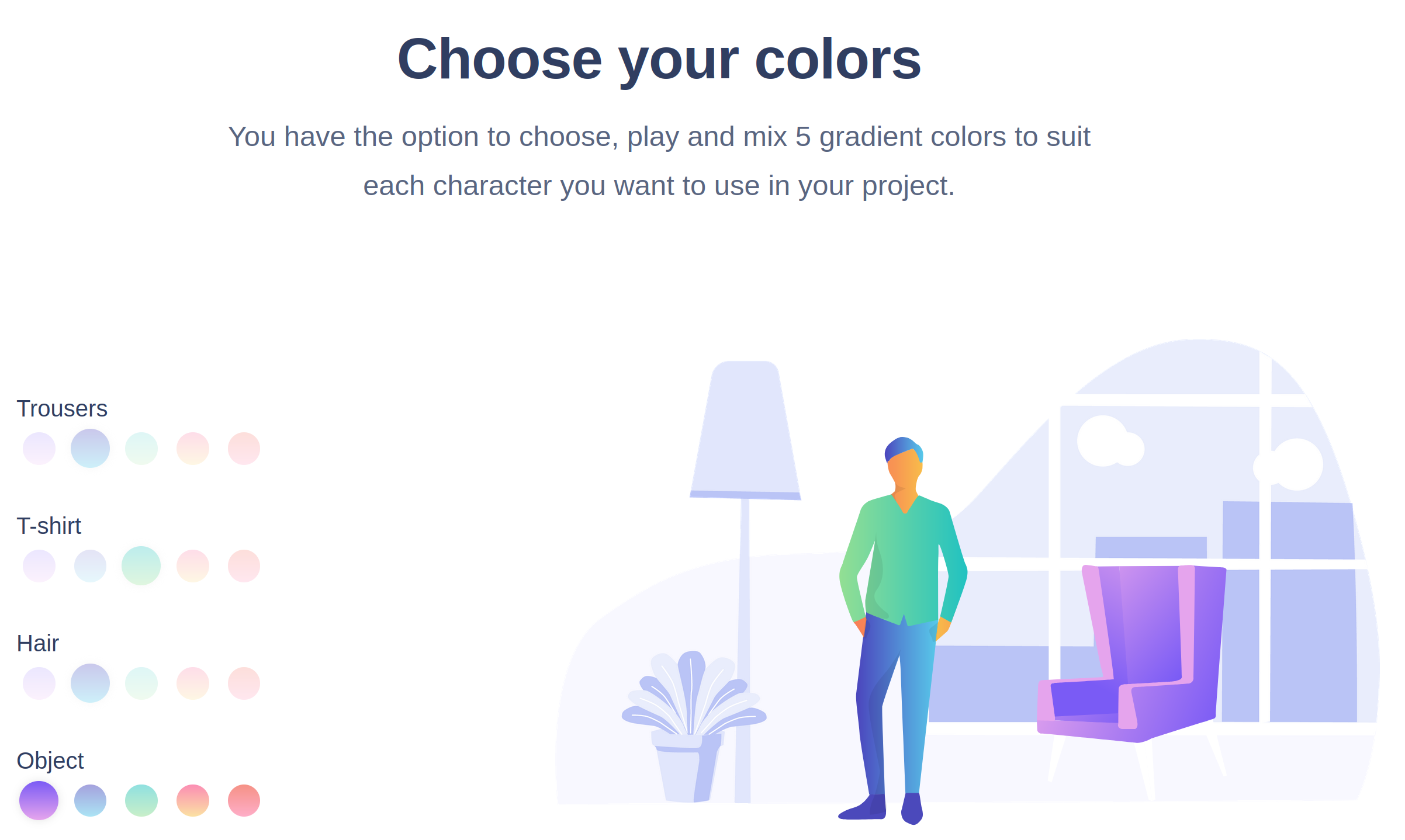
Ira began by giving away customizable character illustrations. The giveaway attracted massive attention in the UX/UI community. Monetization didn’t come from simply “locking” more characters - it came sideways: offering UX consultations, making UI courses, and landing direct client commissions (Creative Tim has other products, for which Ira Design is the top of the funnel). In other words, free vectors became lead magnets for higher‑value services.
Illustrations.co – by Vijay Verma
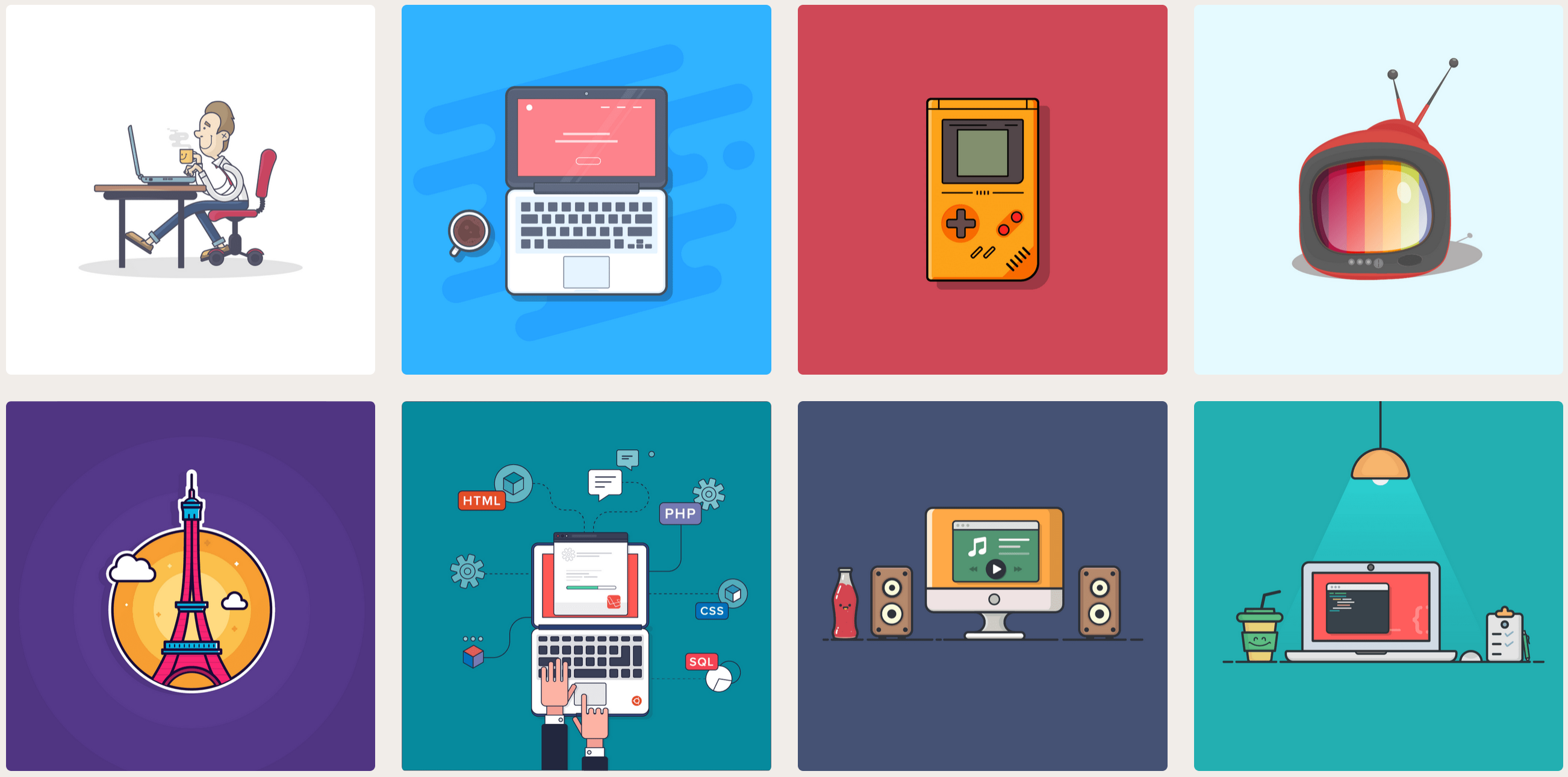
Illustrations is another free library, packaged neatly for Figma users. The base kit is donation‑supported (“Buy me a coffee”), while the author funnels traffic to premium wireframe kits and templates across different platforms. Smart diversification: the freebie audience becomes a marketing channel for unrelated digital products.
FreeIllustrations.xyz – community directory
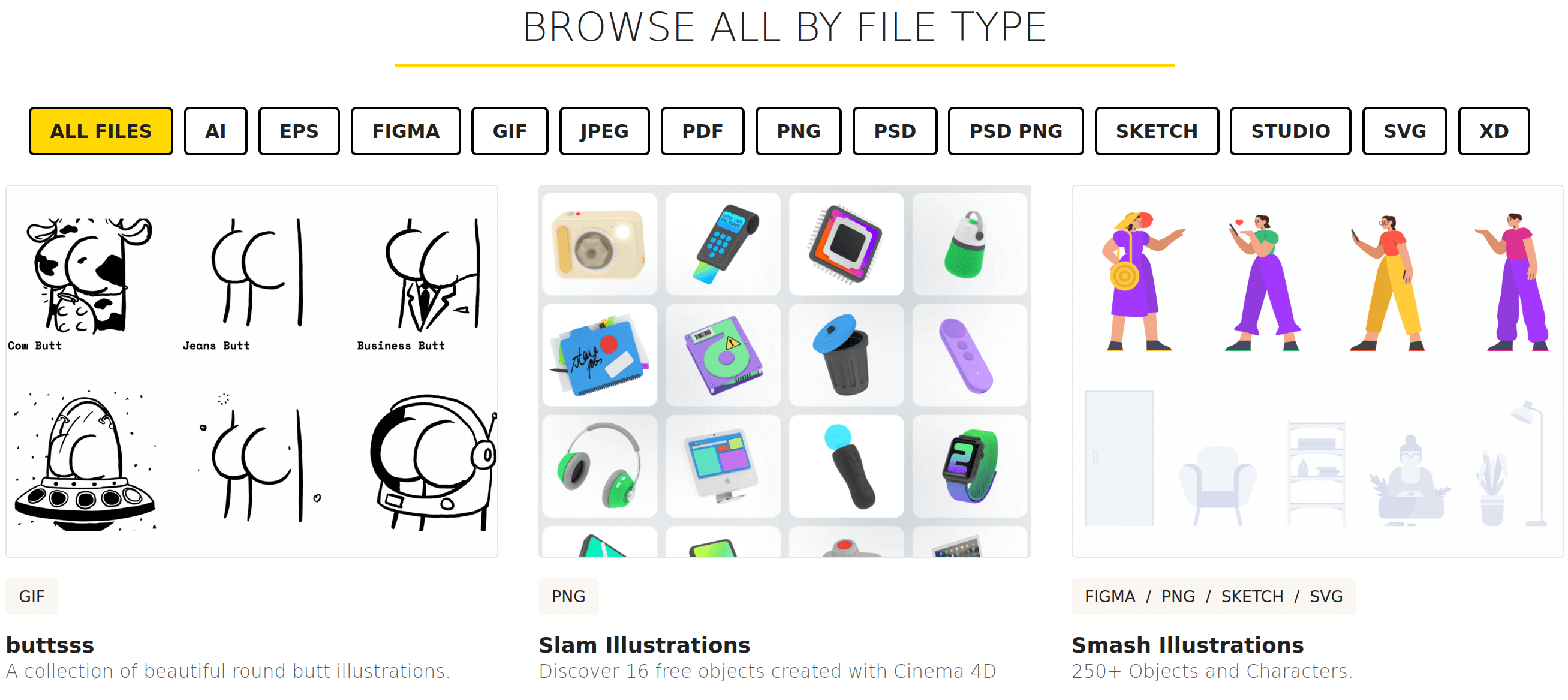
Not a creator itself, but a curated hub that aggregates projects just like the above. Its growth confirmed a trend - there’s now an entire ecosystem of free‑first vector resources, each monetizing in creative ways. Which, as you can understand, lists all kinds of case-studies, just like those 3 above. Those are all creators who went this way. Note the list of filters on that screenshot above: you don’t only have vectors, but also Photoshop files, Sketch files, some mockups. All of them are extensible.
Lessons vector artists can steal from these models
Note what is common in all these cases: offering a seriously useful resource for free markets itself while you sleep. Monetization comes only after you’ve captured attention. What makes the above examples succeed isn’t luck. It’s structure. And style.
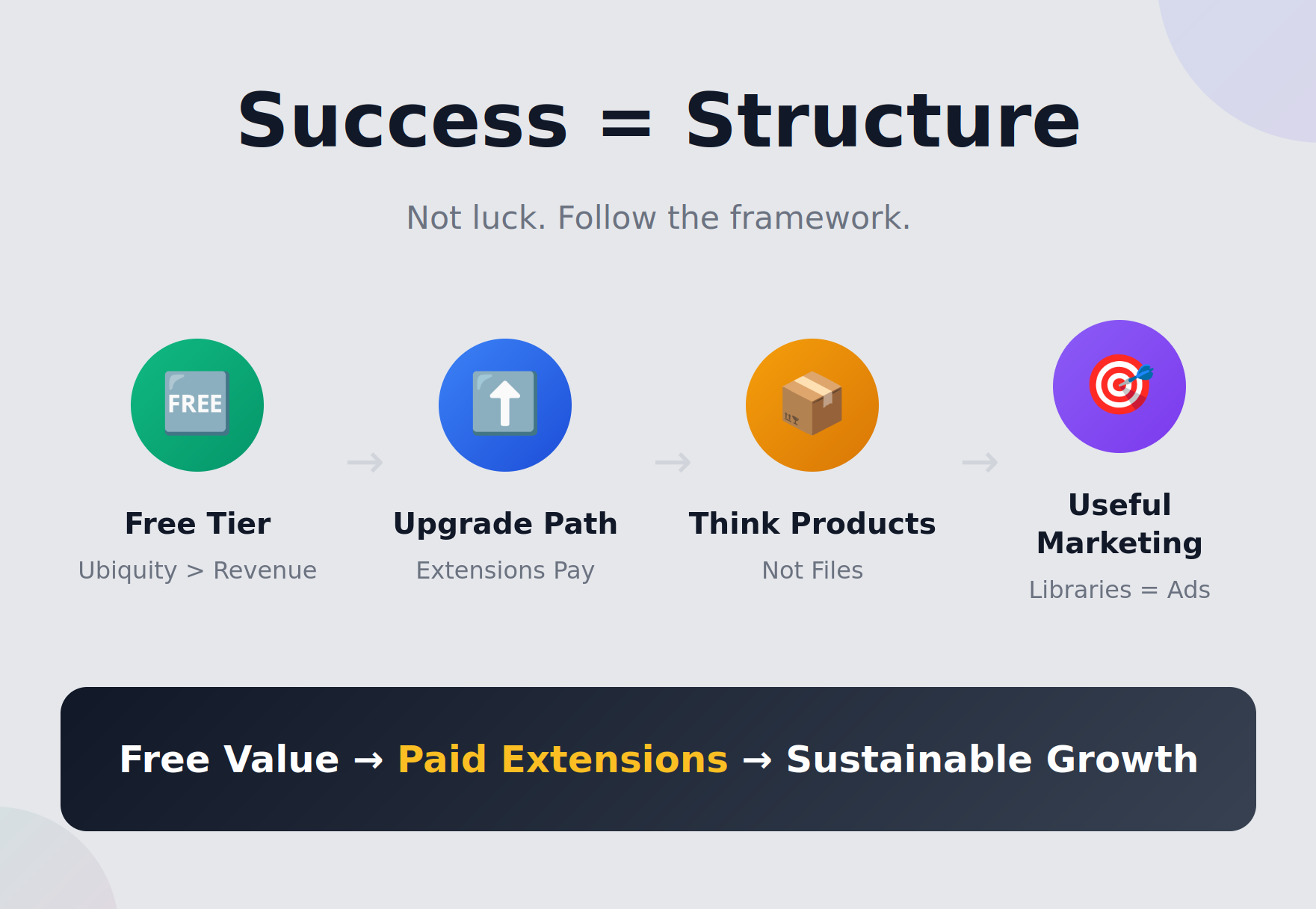
- A frictionless free tier. Make it so easy to use your work that creators embrace it instantly. The goal isn’t revenue - it’s ubiquity. However, many of the case studies above had some way of getting your email, which is needed for step 2.
- The upgrade path. Animations, plugins, alternate styles, private collections - anything that extends or personalizes the free base becomes monetizable.
- Products, not files. Agencies conditioned us to think in terms of “selling one image” (OK, if you’re on Creative Market, you probably also sell packs, but you get the point). Direct sales work better if you package assets as a coherent product (a kit, a library, a plugin).
- Marketing through usefulness, not interruption. These illustrators didn’t buy ads. Their free libraries are the ads.
Getting sold to Freepik like few smaller websites (iconduck.com and others)
Freemium doesn’t scale well beyond vector artists
If this is starting to sound like the golden ticket for all microstock contributors, here’s the bummer: it’s basically limited to vectors. And it’s not just the free photo agencies you might think about, it’s pretty much because of the core idea of this blogpost.
For photos and videos the largest challenge is that there are almost No Extensions you can offer. One image is one image; it doesn’t stack as easily into a paid upgrade as in case of vectors. There’s just not as much conceptual customization available (cases where it actually is available became Print-on-Demand marketplaces selling T-shirt prints). There’s also another hurdle of technical complexity, if we talk about videos. People who try selling videos solo suddenly learn that building video file hosting (if even for previews) is technically (and financially) not trivial.
That’s why you don’t see solo “FreePhotos.xyz” building a SaaS empire. Even in the case of Pexels or Pixabay - they were sold as a giant ads platforms to iStock, not as a cash cow. The economics just don’t translate.
What about AI-generated vectors
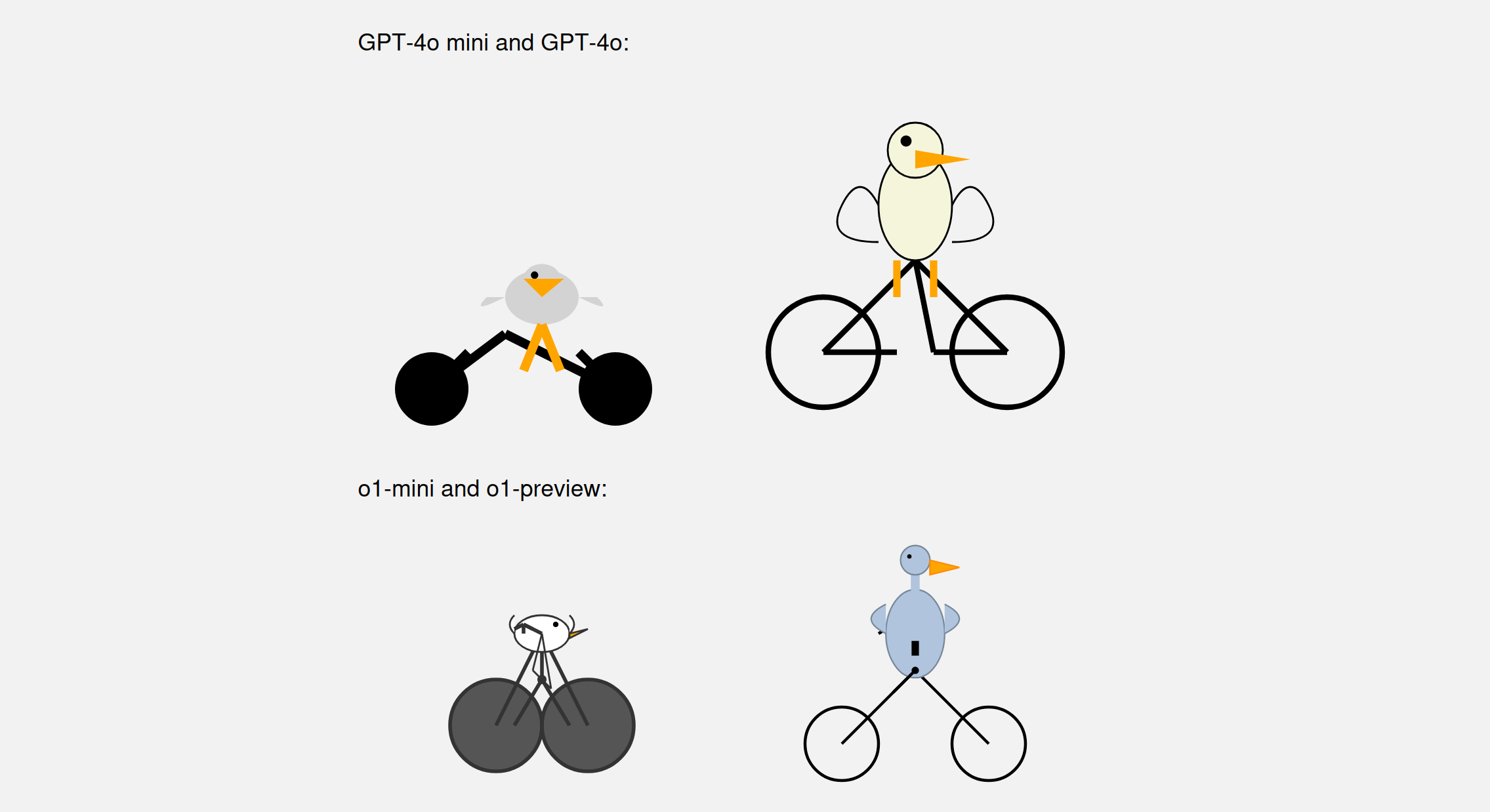
AI models attempting 'an SVG of a pelican riding a bicycle'
Well, AI images are surely “taking over” on microstocks (if only by occupying space), but vector files still have some cushion. One “independent AI researcher” Simon Willison is trying to generate “an SVG of a pelican riding a bicycle” using every new model out there and let’s just say the results are “slightly worse” than Midjourney’s illustrations were even few years ago. And we’re not even talking about a single style across a set of visuals. So it’s safe to say you have some time.
Why not you?
Direct selling in microstock usually ends in disappointment. But if you’re a vector artist with enough audacity to try going solo, you have a chance! Keep in mind that by non-exclusive nature of your microstock agreement, you’re free to sell your files anywhere. So you don’t need to burn any bridges to start.
However, keep in mind that now except of making vectors, you’d need to be a bit of an entrepreneur - setting up your own marketplace, promoting it (even “free” stuff needs initial promotion), setting up payments etc. Put otherwise, you will learn everything you didn’t want to know microstock agencies were doing for you.
The plan, on paper, is quite simple:
- Create a free, genuinely useful resource that spreads fast.
- Layer on premium extensions or related products.
- Use the free tier as your marketing, not as lost revenue.
So should vector artists experiment with direct sales? Absolutely - but only if you rethink your work as a product ecosystem, not just a folder of EPS files. Agencies will still matter. But with the right free hook, you might just build something no agency can: your own loyal following.